
How to Mix Epoxy Resin and Hardener for Best Results?
Epoxy resin is an incredible material that’s used for a variety of projects, from making art pieces to creating durable coatings. When mixed with a hardener, it becomes a strong, long-lasting substance. However, getting the perfect mix of epoxy resin and hardener can be tricky if you don’t know how to do it right. In this article, we’ll discuss the process in simple steps, helping you avoid common mistakes and ensuring the best results for your project.
What are Epoxy Resin and Hardener?
Epoxy resin is a versatile material made up of two parts: the resin and the hardener. When these two components are mixed together, they chemically react to form a strong, solid material—a process known as curing.
Epoxy resin can be used for a variety of projects, such as coating surfaces, creating jewellery, or casting decorative pieces in moulds. It’s important to note that epoxy resin isn’t used to make the moulds themselves—it’s poured into moulds to take on their shape. For example, you can pour epoxy resin into a mould – rectangle 6 cavity – to create beautiful, solid resin pieces that are clear, shiny, and smooth.
Step-by-Step Process to Mix Epoxy Resin and Hardener
Mixing epoxy resin and hardener is an apparently easy thing to do, but taking the right precautions to mix correctly makes all the difference in the proper curing of resin and perfect finish. Follow this step-by-step process

Step 1: Measure Properly
The first and most important step you need to make is proper measuring. Each and every brand of epoxy resin will have a suggested ratio of resin to hardener, which is usually on the Technical Data Sheet (TDS). Sometimes, depending on the product one gets, the ratio may be as simple as 1:1 or 2:1. Always follow the instructions and take the measurements accurately. Too much use of hardener could make the resin cure too quickly and turn brittle. Too little hardener, on the other hand, can’t allow the resin to harden at all and would keep it sticky.
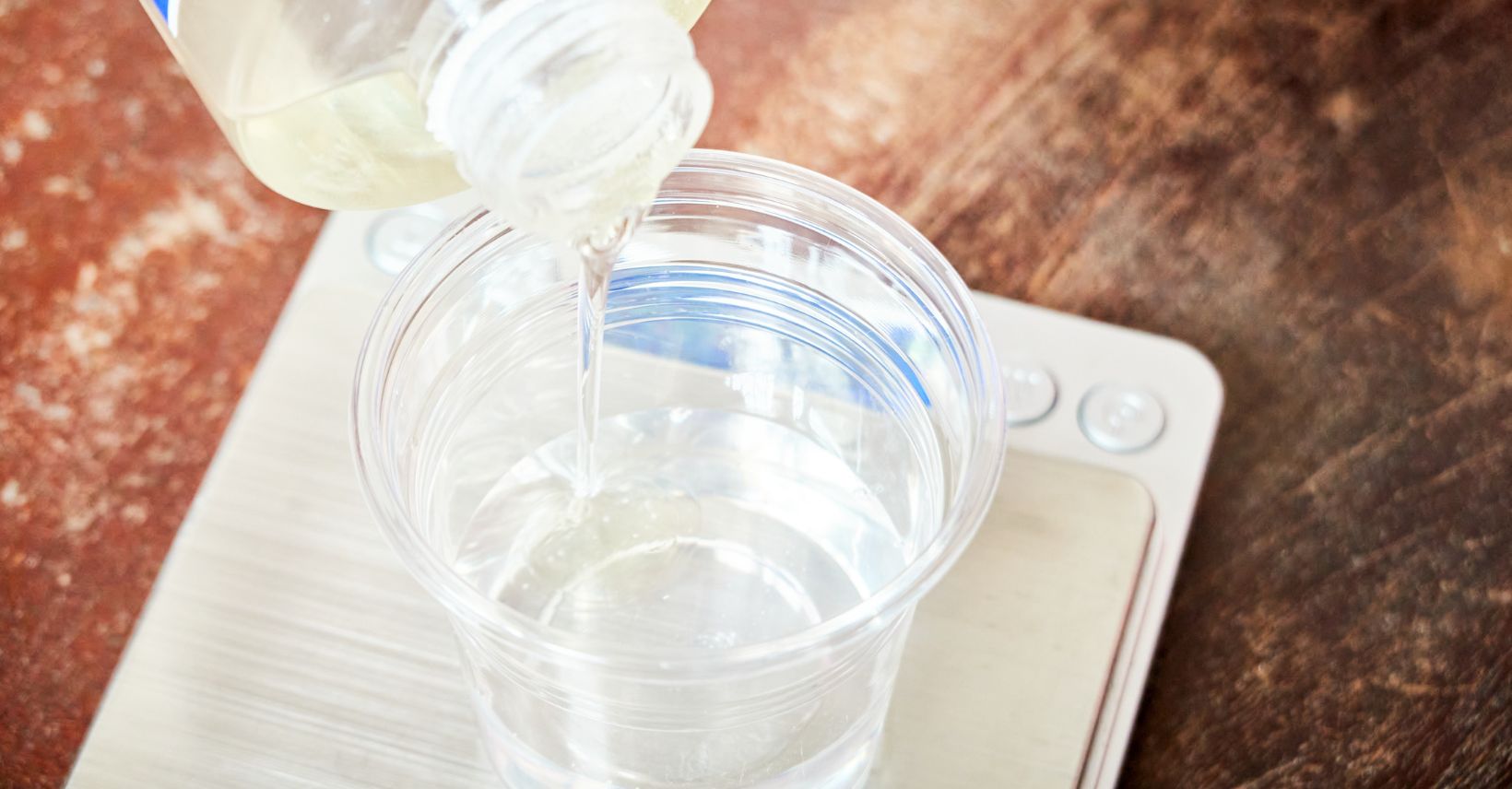
Measure the resin or hardener into clean, separate cups, and then combine them. In this way, the accuracy of correct measurements can be ensured and any kind of error can be avoided.
Step 2: Use Clean Tools
Before mixing, make sure all your stirring tools, cups, and sticks are clean and dry. Any dust, dirt, or moisture in your tools might ruin the final result of imperfections like the formation of bubbles in the resin. It’s a good practice to use disposable plastic cups and mixing sticks, as these can be thrown away after use to make cleaning easier. Just make sure they’re dry before mixing.
Step 3: Mix Slowly and Carefully
Once you have measured the resin and hardener, pour them right away into a clean mixing container. Immediately begin stirring them together slowly. This prevents air bubbles in the resin, which sometimes prove to be difficult to remove. Don’t forget to scrape the sides and the bottom as you stir, so that the resin and hardener are well combined. This is important, as improper mixing could lead to some soft spots or uneven texture in the cured resin.
Tips For Successful Mixing
Now that you know the right process, here are some extra tips to ensure your epoxy resin turns out perfect each time.
- Check the Pot Life: As soon as you mix the resin with the hardener, there will only be a certain timeframe in which the mixture will remain usable before it begins to harden. This is called the “pot life.” The pot life may be different according to the brand of epoxy resin you are using, but most fall in the range between 20 and 40 minutes. Check the Technical Data Sheet (TDS) for how long the pot life is and plan your project accordingly.
- Work at the Right Temperature: Temperature strongly influences resin curing quality. For the best results, work in a room that’s between 22-26°C (or 72-79°F), as this is the ideal temperature range for most epoxy resins. If the room is too cold, the time it takes for the resin to harden will be longer, and sometimes it may not cure at all. If the room is too hot the resin will cure too fast and can develop cracks or bubbles.
- Remove Bubbles: Even when stirring slowly, some air bubbles can enter the resin mixture. To remove these bubbles, you could use either a heat torch or a heat gun. Immediately after pouring the resin into your mould or onto your surface, slowly run the heat gun or torch over the top. The heat of this will make any bubbles rise to the top and pop, leaving your resin smooth and bubble-free.
Common Mistakes and How to Avoid Them
Mixing epoxy resin can seem like a simple task, but a number of mistakes can leave your project with some real problems. Here’s how to avoid them:
- Incorrect Resin-to-Hardener Ratio: The most common mistakes with epoxy resin are taking too much or not enough hardener. This can cause the resin to fail to set as it should. In such instances, the proportion of the resin to the hardener recommended by the manufacturer must be followed strictly and double-checked before mixing.
- Insufficient Mixing: If you don’t mix the resin and hardener for long enough, the two parts won’t combine properly, leading to sticky spots or uneven curing. For small batches, you should mix for at least 3-5 minutes, making sure to scrape the sides and bottom of the container as you go.
- Dirty or Wet Tools: Contamination of your resin mixture due to the use of unclean or wet tools can lead to various defects such as bubbles, discolorations, or an uneven finish. Always check your tools before commencing, to make certain they are in perfect order.
Safety Tips
Epoxy resin is a great material but does call for safe handling. Following are some basic safety tips for you:
- Work in a well-ventilated area: Epoxy resin can release fumes that may be harmful if inhaled epoxy resin and hardener in large amounts. Always work in a space with good ventilation, such as near an open window or outdoors.
- Wear protection on your hands through the use of gloves: Epoxy resin can cause skin irritation. The gloves will help protect your hands from coming in contact with the mixture.
- Clean up spills immediately: If you happen to spill resin, clean it up immediately before it starts to harden. Take out the mess with paper towels or disposable wipes, and then go over it with Isopropyl Alcohol to remove the residue.
Conclusion
By following these steps—and a few extra tips—you’ll be able to mix like a pro, avoid common mistakes, and achieve excellent results. Whether you’re creating beautiful candle holders, jewellery, or other decorative pieces, mastering the art of mixing epoxy resin will ensure great results every time.